

Gastronomía y Cocina de Paisaje
Visitar Asturias es sumergirse en una experiencia gastronómica inigualable. Es saborear bebidas tradicionales, deleitarse con una cocina de alto nivel y descubrir un patrimonio culinario que es, sin duda, uno de sus mayores atractivos.
Para disfrutar aún más de su rica tradición gastronómica, nada mejor que explorar la historia y el proceso de elaboración de sus productos más emblemáticos con visitas guiadas y degustaciones con las que conocer qué se esconde detrás de cada plato. Una tradición basada en materias primas de calidad y que ya promovía un modelo sostenible mucho antes de que los conceptos slow food o kilómetro cero formaran parte de la conciencia colectiva.
Aquí te presentamos algunas experiencias únicas que te permitirán conocer de cerca la esencia de su Cocina de Paisaje, donde cada bocado cuenta la historia y el alma de esta región.


El país de los 50 quesos
¿Sabías que Asturias alberga la mayor concentración de producción quesera de Europa en proporción a su territorio?
Con más de 50 variedades de queso –que ascienden a más de 300 si contamos sus distintas variantes–, esta región es un auténtico paraíso para los amantes del queso. Cada uno de ellos es una pequeña joya que refleja el rico legado gastronómico de Asturias y probarlos es una forma única de adentrarse en las tradiciones culinarias de sus comarcas y localidades.
Visitar una quesería en Asturias no es solo una experiencia gastronómica, sino también un viaje a las raíces más profundas de la cultura asturiana. Allí, la historia, el paisaje y las costumbres se fusionan en cada bocado, despertando todos los sentidos. Si buscas añadir un toque delicioso a tu viaje de incentivos, no dudes en recorrer alguna de las numerosas queserías de la región, donde podrás disfrutar de degustaciones únicas y auténticas.



 Saber más

La cultura sidrera, Patrimonio Cultural Inmaterial de la Humanidad por la Unesco
Aprende el arte de escanciar sidra, conoce de cerca su proceso de elaboración y, como broche de oro, ¡Disfruta de un delicioso culín!
Las visitas a los llagares, los auténticos centros de producción de esta emblemática bebida, te transportan a sus orígenes y revelan por qué la cultura sidrera ha sido declarada Patrimonio Cultural Inmaterial de la Humanidad por la Unesco y cómo la sidra está tan profundamente arraigada en las costumbres y tradiciones de Asturias. Los visitantes podrán descubrir las singularidades de esta bebida, saborearla en una auténtica espicha y participar en concursos de escanciado. Además, pueden profundizar en la historia de la sidra visitando el Museo de la Sidra, donde se conocerán las técnicas tradicionales de producción. Una forma original y divertida de cerrar cualquier evento corporativo, con un toque único de la cultura gastronómica asturiana.
Saber más
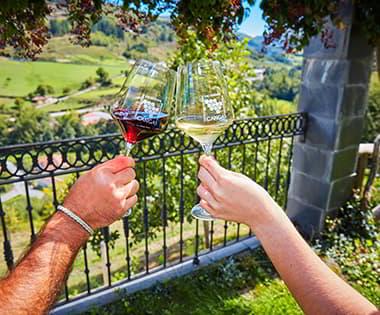
Asturias también es tierra de vinos
En el suroccidente de Asturias, bajo el sello Vino de Cangas, se esconde una rica tradición enológica que invita a vivir una experiencia inmersiva única.
Las bodegas de esta región, muchas de ellas pequeñas y de carácter artesanal, ofrecen el escenario perfecto para complementar un evento corporativo con un toque exclusivo y auténtico.
La experiencia puede ampliarse con una visita al Museo del Vino y las bodegas del vino DOP Cangas, donde descubrirás los secretos del cultivo de la vid y la elaboración de esta bebida singular. Como colofón, recorre el Paseo del Vino, una encantadora senda peatonal que conecta dos históricas zonas vinícolas: San Tisu y Las Barzanieḷḷas, ofreciendo paisajes de ensueño y la esencia del vino asturiano en cada paso.
Saber más
Aventuras en el Paraíso
Parar, tomarse un respiro y disfrutar del entorno. Asturias es una comunidad pionera en turismo activo y deportivo. Algunas de estas actividades buscan la conexión con la naturaleza a través de momentos irrepetibles. Y, además, todo ello en el mejor escenario posible, ya que la región puede presumir de tener unos espectaculares espacios naturales y la costa mejor conservada del país.
Con un amplio abanico de opciones, los viajes de incentivos se convierten experiencias inolvidables, tanto en grupos de trabajo grandes como en equipos más reducidos: un descenso por sus numerosos ríos, una ruta por la costa en la que descubrir icnitas de dinosaurios, actividades turísticas que recuperan antiguas tradiciones o rutas de cicloturismo para recorrer los rincones más bonitos de su geografía.
Estas son algunas de las aventuras que os proponemos para disfrutar del auténtico paraíso natural.
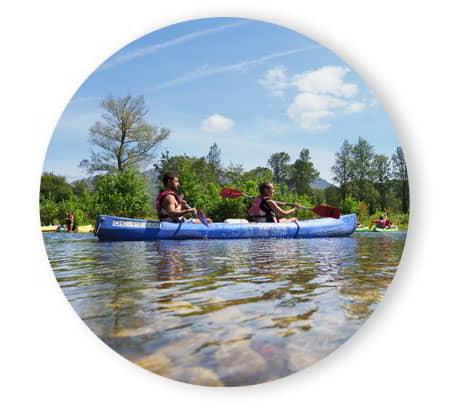
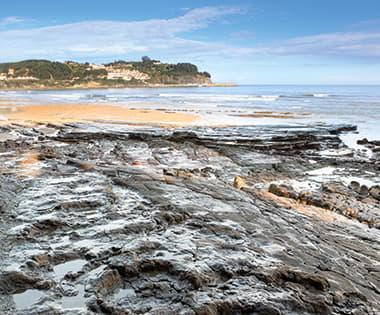
La costa de los Dinosaurios y el río Sella
A lo largo de la costa asturiana, concretamente entre Gijón/Xixón y Ribadesella/Ribeseya, se sitúa la llamada Costa de los Dinosaurios, en la que se pueden encontrar huellas fósiles de estos animales prehistóricos que habitaron Asturias hace millones de años.
Además, en Colunga se puede visitar el Museo del Jurásico de Asturias, MUJA, con un contenido muy didáctico y ameno tanto en el exterior como en el interior. Este periplo puede culminar con una de las actividades de turismo activo más singulares del oriente asturiano: el descenso en canoa del río Sella - entre Arriondas y Ribadesella -, una opción para involucrar a tu equipo en una fascinante actividad deportiva en las inmediaciones de los Picos de Europa.
Saber más
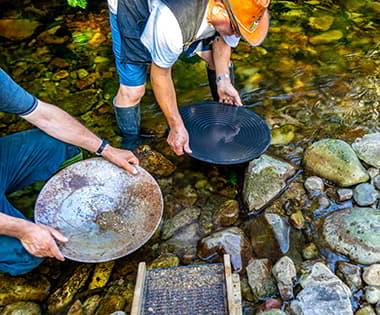
En busca del oro
En el río Navelgas, en el occidente de Asturias, hay una tradición que sigue muy presente hoy en día: el bateo del oro. Con esta antigua técnica, hoy convertida en actividad turística y deportiva, se extraen pepitas de oro aprovechando las buenas condiciones de los ríos del Valle de oro para la búsqueda de este preciado metal.
Además, la experiencia se puede completar con una visita al Museo del Oro, en el que conocerás historias antiguas, leyendas, avances tecnológicos, ingeniería, ritos, símbolos, etc., y todo ello de la mano de astures y romanos.
Saber más
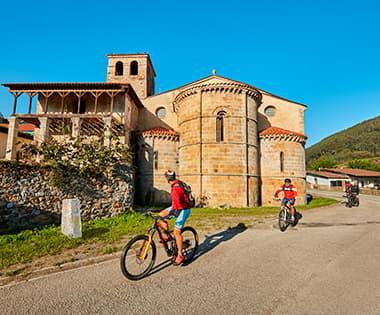
Camino de Santiago
El Camino de Santiago ha traspasado las fronteras de lo espiritual y religioso para convertirse en un destino turístico de primer orden.
Son varias las rutas jacobeas que transcurren por Asturias: el Camino Primitivo — primer Camino de Santiago de la historia y origen de todos los demás—, el Camino de la Costa (o Camino del Norte) y también el Camino de El Salvador, que une León con Oviedo/Uviéu. Dependiendo de la ruta elegida, el camino recorre monasterios, bosques, puentes de origen medieval, pueblos, playas y acantilados para descubrir Asturias a pie. Para aquellos que no disponen de tiempo para realizar el camino en una sola vez, recorrerlo por tramos es una opción cada vez más frecuente entre los peregrinos. ¿Y si conviertes tu viaje de incentivos en una etapa del Camino de Santiago?
Saber más
En_Clave de Sostenibilidad: Siguiendo la estela del oso pardo y el Quebrantahuesos
Hay actividades que reconectan con la naturaleza y fomentan la conexión entre las personas. Y solo en un entorno natural como los que puedes encontrarte en Asturias se puede crear esa conexión y sacar lo mejor de cada uno de los miembros de un equipo.
Porque el turismo sostenible va mucho más allá de una tendencia en auge, es una forma de disfrutar del entorno sin alterarlo, contribuyendo así al desarrollo local y a la protección de la flora y la fauna.
¿Te gustaría llevar a tu a equipo a una jornada para avistar fauna? ¿Y si visitas alguna de sus Reservas de la Biosfera o te asomas a alguno de sus impresionantes miradores repartidos por toda su geografía? Toma nota de estas propuestas para que tu equipo nunca olvide su viaje por Asturias.

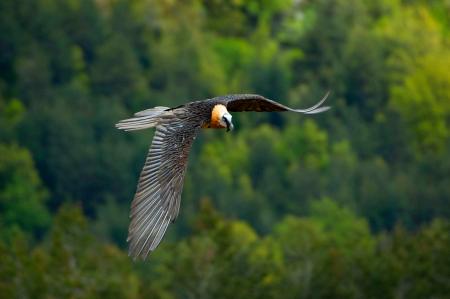
Avistamiento de osos y quebrantahuesos
Hay experiencias que se quedan grabadas en la retina y el avistamiento de osos pardos en su hábitat natural es sin duda una de ellas.
Por ello, las organizaciones y empresas que trabajan en la protección de esta especie diseñan actividades inmersivas para seguir su rastro. La Fundación Oso Pardo realiza rutas para ver osos en el Parque Natural de Somiedo y en el Parque Natural de las Fuentes del Narcea, Degaña e Ibias. También realiza estas rutas la Fundación Oso de Asturias, con un itinerario en el Parque Natural de las Ubiñas-La Mesa, que termina con la visita al centro de interpretación Casa del Oso. Otra opción para este viaje por la naturaleza la ofrece la Fundación para la Conservación del Quebrantahuesos, con una aventura de montaña en 4x4 para avistar y sensibilizar sobre la supervivencia de esta ave. Estas actividades forman parte del programa Asturias en clave de sostenibilidad, un proyecto pionero de turismo MICE y RSC que ofrece actividades sostenibles para empresas y congresos. Hay múltiples opciones para disfrutar del ecoturismo en Asturias.
Saber más
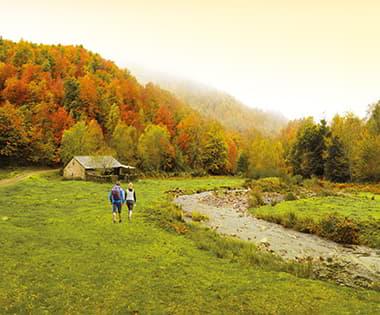
Entre bosques
La gran variedad de bosques que hay en Asturias es uno de sus grandes encantos.
Y es que cuando pensamos en el paraísonatural nos vienen a la mente sus robles y hayas, sus bosques de encinas y alcornoques o especies que albergan leyendas como el tejo o el acebo. Entre tantas opciones, te proponemos realizar una ruta por algunos de estos espacios, los más grandes y mejor conservados de Europa, como el Bosque de Muniellos —que conserva su encanto gracias a que solo pueden visitarlo 20 privilegiados al día— o el Hayedo de Monasterio de Hermo. También merecen una reseña especial los diferentes bosques y árboles centenarios declarados Monumento Natural, como el Tejo de Bermiego, en Quirós o el Carbayón de Valentín, en Tinéu. ¡Adéntrate en plena naturaleza y camina entre por sus bosques y árboles centenarios!
Saber más
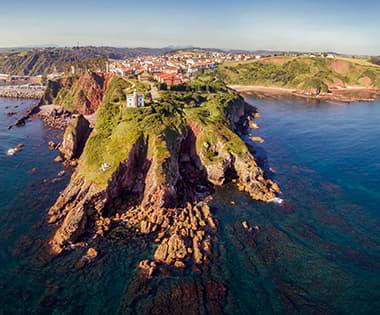
El paraíso, desde las alturas
Asturias es un destino slow travel que combina paisajes de alta montaña y acantilados con vistas al mar cantábrico, un contraste que se ha convertido en la enseña de la región y en el destino preferido por los amantes de la naturaleza.
La mejor forma de descubrir estos enclaves naturales es desde lo más alto, en los increíbles miradores naturales o acondicionados repartidos por toda su geografía. Una opción ideal como viaje de incentivos puede ser empuñar una cámara fotográfica para inmortalizar estas icónicas joyas naturales de la región: el Naranjo de Bulnes o Picu Urriellu; A Paicega, un mirador Pesoz o el Cabu Peñes en Gozón, el más septentrional de Asturias. Descubre algunos de los miradores más emblemáticos de Asturias.
Saber más
Turismo Industrial: En las entrañas de nuestra historia
La historia de la mina y la forma de vida de los mineros están muy ligadas a la cultura y a la naturaleza minera de Asturias. Y eso puede verse no solo en muchas de sus minas, hoy reconvertidas en museos de una historia no tan lejana, sino en los recursos culturales que muestran cómo era el día a día trabajadores de un sector que marcó durante décadas la tradición y las costumbres de varias generaciones.
Al igual que las herrerías, que han dejado un legado importante en el occidente de la región, donde algunos artistas a día de hoy siguen trabajando de esta forma tradicional. Estos vestigios de la industria en Asturias, convertidos ahora en atractivos turísticos, suponen una serie de experiencias únicas para vivir en grupo. Definitivamente, una forma de vivir un singular e inolvidable viaje de incentivos.
En la piel de un minero
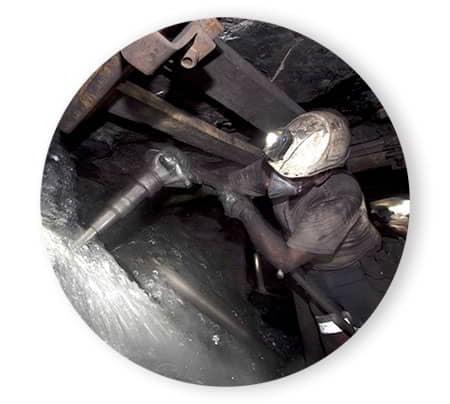
En el emblemático Pozo Sotón, declarado Bien de Interés Cultural, podrás adentrarte a más de 500 metros de profundidad para convertirte en minero por un día.
Equipados con una lámpara minera y un equipo profesional, los visitantes descienden en la jaula hasta el corazón de la mina, donde comienza la verdadera aventura. El recorrido incluye parte de los 140 kilómetros de galerías, ya sea a pie o a bordo del histórico tren que transportaba a los trabajadores. ¿Te preguntas cómo era una jornada laboral en una mina de carbón? ¿Qué herramientas utilizaban los mineros? Esta experiencia inmersiva te permitirá sentir, en primera persona, cómo era la vida en el interior de la mina. Descubre más sobre las experiencias inmersivas en el Pozo Sotón.
Saber más
La tradición de los ferreiros
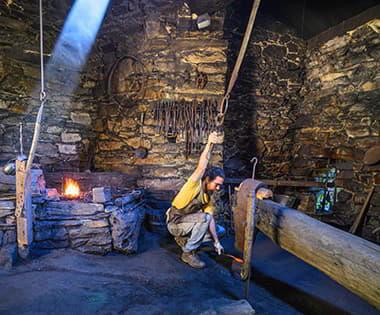
Hace tiempo, la profesión de herrero o ferreiro era común en el occidente asturiano. Aunque esta actividad fue desapareciendo a finales del siglo XIX y principios del XX, aún se conservan talleres que mantienen viva esta tradición.
Uno de ellos es el Mazo de Mazonovo, en Santa Eulalia de Oscos, un mazo hidráulico y taller de forja del siglo XVIII donde los ferreiros aún trabajan con las técnicas heredadas de sus antepasados. Además, parte de sus instalaciones se han convertido en un museo que muestra la evolución de la herrería desde sus orígenes hasta la actualidad
De manera similar, en Os Teixóis, en Taramundi, se encuentra otro conjunto etnográfico que destaca por sus ingenios hidráulicos perfectamente conservados, como mazos y molinos, que ofrecen una visión única de la forja y otros oficios tradicionales. Ambos lugares, rodeados de paisajes impresionantes, se encuentran en pleno corazón de la Reserva de la Biosfera Oscos-Eo, y son destinos imprescindibles para quienes deseen descubrir el legado de la artesanía en Asturias.
Saber más
Un viaje por nuestra historia industrial
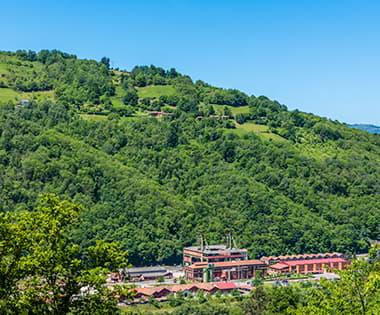
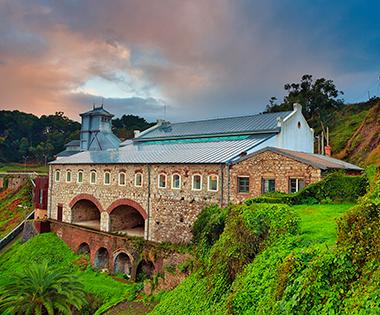
Los emplazamientos industriales son una parte muy representativa de la historia y las costumbres de Asturias. Algunas de sus antiguas minas son ahora museos que sitúan al visitante en la vida de los asturianos que trabajaban en la mina.
Es el caso del Museo de la Mina de Arnao, situado en Castrillón y cuyo castillete revestido de madera y zinc ha sido declarado Bien de Interés Cultural. Y no es el único. El Poblado de Bustiello, también declarado Bien de Interés Cultural, conserva una excepcional obra urbanística y arquitectónica, un pueblo que se construyó para ser el hogar de los trabajadores de las minas y sus familias. ¿Quieres conocer más? Descubre aquí todos los museos de la historia industrial de Asturias.
Saber más
Cultura Asturiana: Rincones que emanan tradición
El patrimonio cultural de Asturias es tan extenso como lo son la gran cantidad de centros culturales y monumentos que están repartidos por toda la región. Desde la huella que dejaron nuestros antepasados en los orígenes de la humanidad a las manifestaciones artísticas más modernas y vanguardistas.
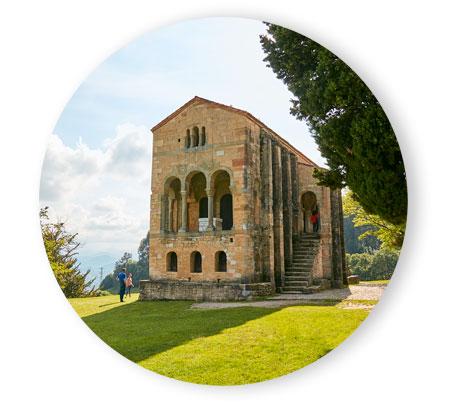
Y sin olvidar el destacado Arte Prerrománico que se conserva en la región. Con obras de los siglos VIII al X, algunas de ellas declaradas Patrimonio Mundial por la UNESCO, forman el conjunto de arquitectura altomedieval de Europa occidental más relevante y completo.
Existe un amplio abanico de opciones para diseñar todo tipo de itinerarios culturales con la representación de distintas disciplinas, épocas y culturas. Aquí os mostramos algunas de las rutas con las conocer las obras de arte y las joyas arquitectónicas que han forjado el legado de la región.
El arte rupestre: un viaje a los orígenes
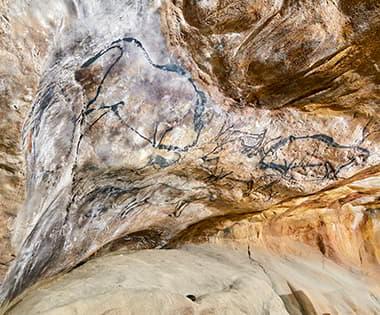
Con más de quince cuevas con grabados de más de 35.000 años, Asturias se erige como un auténtico paraíso del arte rupestre. Recorrer alguna de estas cuevas o visitar museos dedicados al arte prehistórico es una forma fascinante y educativa de transformar un viaje de negocios en una experiencia que conecta con nuestros orígenes.
La jornada puede comenzar en la Cueva de Tito Bustillo, en Ribadesella/Ribeseya, uno de los conjuntos rupestres más importantes del Paleolítico europeo. El recorrido puede culminar en el Parque de la Prehistoria de Teverga, donde se exhiben reproducciones fieles de las técnicas artísticas del Paleolítico, ofreciendo una inmersión completa en el legado artístico de nuestros ancestros. Descubre todas las cuevas rupestres que puedes visitar en Asturias.
Saber más
Prerrománico, emblema cultural de Asturias
El arte te traslada a otras épocas, refleja el sentir de un pueblo en un momento de su historia y dice mucho de un lugar y sus gentes.
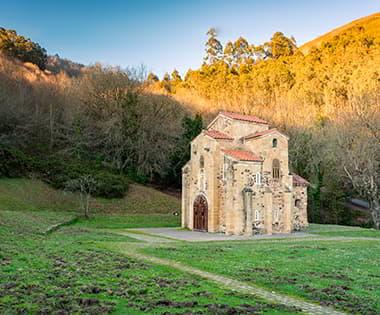
El Arte Asturiano o Arte Prerrománico atesora obras fechadas entre los siglos VIII y X que acreditan el desarrollo del Reino de Asturias. Santa María del Naranco, Santa Cristina de Lena, San Miguel de Lillo o la Iglesia de San Pedro del Nora son algunos de estos monumentos. ¿Qué te parece si incluyes estas joyas del patrimonio en tu viaje de incentivos? Puedes hacer una ruta por todas ellas o deleitarte con las más representativas. Todo un espectáculo para los amantes del arte.
Saber más
Cuadonga/Covadonga, el monumento más visitado de la región
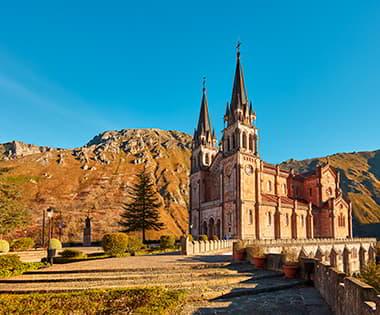
¿Te gustaría descubrir el lugar donde historia y leyenda se entrelazan en el origen del primer reino peninsular? Cuadonga/Covadonga es mucho más que un sitio histórico, es un espacio cargado de espiritualidad, donde cada rincón del Real Sitio, los imponentes Picos de Europa y sus icónicos lagos parecen susurrar relatos ancestrales. Su belleza y diversidad, cuidadosamente preservadas a lo largo de los siglos, nos permiten disfrutar hoy de un paisaje prácticamente intacto.
Visitar este lugar es casi obligatorio para quienes llegan a Asturias, no solo por su deslumbrante entorno, sino también por su relevancia histórica y cultural. Además, este enclave fue el primer Parque Nacional de España y uno de los pioneros en Europa, consolidando su importancia como un auténtico tesoro natural y patrimonial. Toma nota de esta visita para hacer más especial tu viaje de incentivos.
Saber más